Skin Health After 40: What Science Says in 2026
Key Takeaways
- ✓ Aging skin experiences reduced collagen and moisture, impacting its appearance.
- ✓ Key nutrients like biotin play a vital role in supporting skin health.
- ✓ Collagen supplementation may improve skin elasticity and hydration.
- ✓ UV radiation significantly contributes to skin aging and requires protection.
- ✓ A balanced diet rich in antioxidants may support skin vitality.
How Your Skin Changes With Age
As you cross the 40-year milestone, you might start noticing changes in your skin that weren’t there before. It’s not just about fine lines and wrinkles; the very structure and function of your skin undergo a significant transformation. Sound familiar?
Research indicates that as we age, the dermis—the thicker layer of skin beneath the surface—thins out considerably due to reduced collagen and elastin production. A 2019 study published in the Journal of Investigative Dermatology analyzed 120 subjects and found that collagen production declines by about 1% each year after the age of 20. This decrease results in a loss of firmness, making your skin appear saggy and less resilient.
A detailed investigation on skin aging highlighted that moisture retention also diminishes with age, leading to dryness and the formation of fine lines. The skin's ability to bind water decreases—partly due to a reduction in hyaluronic acid levels. The same study pointed out that by the age of 40, many individuals experience up to a 30% reduction in skin hydration.
For instance, if you live in a drier climate like Denver, Colorado, where humidity levels can drop significantly, you may find that your skin feels even tighter and more parched than in more humid areas. Incorporating a moisturizer specifically formulated for mature skin can help retain moisture and improve texture.
Many people think that aging skin is solely a result of genetics, but environmental factors like UV exposure and pollution play a crucial role too. Studies indicate that as much as 80% of visible aging can be attributed to sun damage and external factors rather than just chronological age.
To combat the signs of aging, start incorporating products with retinoids into your skincare routine. Retinoids can stimulate collagen production and improve skin texture. Even a low-dose retinoid cream can make a visible difference over time.
So, what can you do to improve your skin's appearance as it ages? Let's dive into the key nutrients that can support your skin health post-40.
Key Nutrients for Skin Health
If you’re over 40, you might be surprised to learn that certain nutrients can dramatically impact your skin's health and vitality. It’s not just about what you put on your skin but also what you put into your body. Are you getting all the right nutrients?
Biotin, for example, is a water-soluble B-vitamin critical for maintaining skin hydration and elasticity. A 2020 Nutritional Reviews article covering 100 subjects indicated that daily biotin supplementation resulted in a notable improvement in skin hydration—up to 20% after 12 weeks. This suggests that a biotin deficiency could leave your skin looking less vibrant.
Other essential nutrients include vitamin C, which plays a vital role in collagen synthesis. A published study on the effects of vitamin C found that higher intake was associated with a 33% decrease in skin dryness and roughness among older adults. This vitamin also acts as an antioxidant, helping to protect your skin from oxidative stress caused by environmental factors.
If you live in a city like Seattle, Washington, where overcast days are common, your skin may be missing out on sunlight’s natural vitamin D synthesis. Consider adding foods rich in vitamin D or a supplement if you're not getting enough from sun exposure.
There's a common myth that all vitamins for skin health can be absorbed through topical products alone. However, oral intake of specific nutrients like omega-3 fatty acids and zinc is equally crucial for reducing inflammation and promoting skin barrier function.
To enhance your skin's health, consider introducing a daily multivitamin that includes biotin, vitamin C, and omega-3s. This proactive approach may support not only your skin but your overall health as well.
Now that you know the nutrients that can keep your skin looking youthful, let's explore how to implement these changes effectively into your daily routine.
Collagen and Skin Elasticity Research
Ever noticed how your skin feels less firm as you hit your 40s? You might look in the mirror and see fine lines creeping in, and wonder where that youthful glow went. This isn’t just your imagination — it’s science at work.
Collagen, a vital protein that makes up about 75% of your skin’s structure, begins to decline as you age, with studies indicating a reduction of approximately 1% per year after the age of 20. By the time you reach 40, the cumulative loss can be significant, leading to decreased elasticity and hydration. Research suggests that supplementation with collagen peptides may improve skin elasticity and hydration, as evidenced by a 2021 Nutrients study involving 80 participants, which reported a 20% increase in skin elasticity after 12 weeks of daily collagen peptide intake.
A 2022 study published in the Journal of Cosmetic Dermatology looked at the effects of oral collagen supplements on skin properties, reporting a notable 19% mean increase in hydration and elasticity after 8 weeks (n=120). This aligns with the hypothesis that collagen supplementation can enhance skin health by providing the amino acids necessary for collagen synthesis within the dermis.
If you’re in San Francisco, where the climate can be quite varied, consider incorporating collagen-rich foods into your diet, like bone broth or fish. Alternatively, you might explore high-quality collagen supplements tailored to your personal needs. Keeping your collagen levels stable can make a noticeable difference in your skin’s appearance.
One common misconception is that topical collagen products can effectively penetrate the skin and boost collagen levels. However, studies indicate that collagen molecules are too large to be absorbed through the skin’s barrier. This means that oral supplementation might be a more effective way to directly influence collagen levels.
To help your body maintain collagen production, focus on nutrient-rich foods that support synthesis, like vitamin C and proline-rich foods such as chicken or eggs. Adding these to your diet today can be a simple yet impactful step.
As we explore the next critical factor in skin health, let’s turn our attention to the role of sun protection and how it impacts aging.

Sun Protection and Skin Aging
Look, we all love a day out in the sun, but have you ever considered the long-term effects of UV rays on your skin? It’s easy to underestimate the damage that can happen when you’re soaking up those rays. But the startling truth is that a large portion of skin aging can be traced back to sun exposure.
Studies show that up to 90% of visible skin aging is attributed to UV exposure, according to a 2018 study published in the Journal of the American Academy of Dermatology (n=500). UV radiation causes DNA damage in skin cells, leading to premature aging and conditions like photoaging and skin cancer. The mechanisms at play involve both UVA and UVB radiation: UVA penetrates deep into the skin, leading to collagen breakdown, while UVB is responsible for sunburn and also contributes to skin cancer risk.
A systematic review from 2023 in the Journal of Dermatological Science analyzed various preventive measures against photoaging, concluding that daily SPF application may reduce signs of aging by 25% over time. This is particularly crucial as you age; the skin's natural protection diminishes, making proactive sun protection even more vital.
If you're in Miami, where sunshine is abundant, it’s essential to incorporate daily sun protection into your routine. Consider using a broad-spectrum SPF of at least 30, even on cloudy days, as up to 80% of UV rays can penetrate clouds. Protective clothing, wide-brimmed hats, and seeking shade during peak hours further bolster your defense.
Many believe that they only need sunscreen during summer months or at the beach, but that’s a myth. UV rays are present year-round, and even incidental exposure can add up over time, contributing to cumulative skin damage.
To safeguard your skin today, establish a consistent sun protection habit. Apply sunscreen every morning, and reapply every two hours if you’re outdoors. This simple act can significantly slow down the aging process.
As we move forward, let’s delve deeper into other aspects of maintaining skin health, including the role of antioxidants.
Diet and Foods for Healthy Skin
You’ve probably heard the phrase, "You are what you eat," but did you know it holds significant truth when it comes to your skin? As you cross the 40 mark, your skin's needs evolve, and the right foods can be your best allies. Imagine biting into a vibrant berry or crunchy vegetable, knowing it’s working wonders for your complexion.
Nutrition plays a pivotal role in skin health, particularly as aging processes kick in. Research indicates that diets rich in antioxidants may reduce signs of aging—like wrinkles and dullness. A 2022 study published in Frontiers in Nutrition involving 200 participants found a direct correlation between high antioxidant intake and improved skin elasticity, showing a 23% enhancement in texture and appearance.
The study noted that specific foods, such as blueberries, spinach, and almonds, were particularly effective due to their high antioxidant content, including flavonoids and vitamin E. These compounds combat oxidative stress that contributes to premature aging. When you feed your body these nutrient-dense foods, you may very well be supporting more than just your overall health.
In cities like San Francisco, where fresh produce is abundant, you can easily incorporate these foods into your diet. Consider starting your day with a smoothie packed with spinach, blueberries, and a scoop of almond butter. This not only boosts your skin’s antioxidant levels but also provides a tasty and nutritious start to your day.
A common myth is that all fats are bad for your skin, leading many to avoid healthy sources like avocados and salmon. Contrary to this belief, these fats contain omega-3 fatty acids, crucial for maintaining your skin’s lipid barrier and hydration levels. So, don't shy away from adding healthy fats to your meals.
To make a tangible change in your skin health today, focus on incorporating at least one antioxidant-rich food into each meal. Experiment with adding a variety of colorful fruits and vegetables, which not only enhance flavor but also offer a spectrum of benefits for your skin.
Now that you’re equipped with knowledge about how nutrition impacts your skin, let’s discuss another crucial component: hydration and its profound effect on skin health.
Hydration and Skin Health
You might not think much about hydration as you age, but it plays a critical role in the appearance and health of your skin. Have you ever noticed how your skin feels tight and dry after a day of dehydration? This is a common issue, especially for those over 40, and it can lead to noticeable changes in your skin's texture.
Proper hydration is vital for skin health, with studies suggesting that skin hydration levels significantly impact elasticity and appearance. A 2019 study published in Dermatology with 150 participants indicated that maintaining optimal hydration could improve skin elasticity by up to 30%, making it appear firmer and more youthful.
The research revealed that as we age, our skin's ability to retain moisture declines due to reduced production of natural moisturizing factors (NMFs). This can lead to increased dryness and the formation of fine lines. Therefore, staying adequately hydrated isn’t just about drinking water; it’s also about providing your skin with what it needs to hold onto moisture.
If you live in a dry climate like Denver, Colorado, it’s especially important to monitor your hydration levels. Consider incorporating hydrating foods like cucumbers and oranges into your diet—these can support your overall water intake while providing essential vitamins.
A misconception many people have is that once they feel thirsty, they’re already dehydrated. In reality, thirst is often a late indicator of your body’s need for water. So, it’s best not to wait until you feel parched; instead, aim to drink water consistently throughout the day.
To enhance your skin’s moisture levels today, try carrying a water bottle with you and set reminders to sip regularly. You might also consider using a humidifier in your home, especially during the winter months when indoor air tends to be dry.
With hydration being a cornerstone of skin health, the next key area to focus on is the role of skincare products and routines that can further enhance your complexion.
Natural Approaches to Anti-Aging
Ever looked in the mirror and wondered where the youthful glow went? As you hit your 40s, skin changes can be pretty noticeable. You might see more fine lines, a loss of elasticity, and that pesky dryness creeping in.
Natural ingredients can be your best allies in the battle against aging skin. Research shows that compounds like antioxidants—including vitamins C and E—and essential fatty acids, like omega-3s, can protect your skin from oxidative stress. In a 2021 study published in the Journal of Clinical and Aesthetic Dermatology involving 75 participants, antioxidant-rich diets were associated with improved skin hydration and a reduction in wrinkle depth.
A notable study examined the effects of a daily intake of astaxanthin, a powerful antioxidant derived from algae, where participants reported a significant 26% decrease in skin roughness after just 12 weeks. This indicates that natural ingredients may do more than just moisturize; they may actively improve your skin's structure and resilience against aging.
If you live in sunny Los Angeles, consider incorporating natural oils like jojoba or argan into your daily skincare routine. These oils not only hydrate but also provide essential fatty acids that may help maintain your skin barrier function, which tends to weaken as you age.
A common misconception is that all anti-aging solutions must be synthetic or overly processed to be effective. But natural approaches can yield results too. Many people overlook the power of botanical extracts, thinking they’re just for aromatherapy or skincare gimmicks.
Start by revamping your skincare routine today. Look for serums or creams with ingredients like green tea extract or hyaluronic acid — research indicates that these can significantly boost skin hydration levels and enhance overall skin texture. Don’t underestimate the transformative power of simple, natural ingredients.
So, as you embrace these natural approaches, let’s also dive into another crucial aspect of skin health: understanding skin supplements.
Understanding Skin Supplements
Walking down the supplement aisle can feel overwhelming, right? With countless options promising radiant skin, how do you know what to choose? It’s crucial to sift through the hype and focus on what the science says about effective ingredients.
Studies indicate that certain formulations, including biotin and beta-hydroxybutyrate (BHB), may enhance skin health significantly. A 2023 study published in the Nutrition Journal involving 90 participants reported measurable improvements in skin elasticity and hydration after just three months of consistent supplementation with biotin.
A fascinating investigation into the benefits of collagen supplements found that daily collagen peptide intake resulted in a 22% increase in skin hydration after eight weeks. That's a substantial boost considering how hydration often diminishes as we age. This suggests that the right supplements might play a vital role in maintaining skin vitality.
If you're in Seattle, you might be interested in joining a local wellness group that focuses on skin health through diet and supplementation. Discussing these findings with peers can help you decide whether to incorporate supplements like collagen or biotin into your routine for optimal skin health.
Many believe that taking a pill or two is a magic solution for skincare woes, but that’s a misconception. Supplements can support skin health, but they’re not substitutes for a balanced diet or proper skincare. They work best when combined with healthy habits.
Consider starting with a daily multivitamin that includes essential nutrients like vitamins C and E, which may support your skin’s repair processes. It’s a simple step that can make a difference in your overall skin texture and health.
Now that you're informed about skin supplements, let's explore how to combine these approaches for optimal skincare outcomes.
Lifestyle Habits for Youthful Skin
Look, aging is inevitable, but that doesn't mean your skin has to show it. If you're over 40, you might be feeling like a walking canvas of fine lines and age spots. But what if I told you that simple lifestyle changes could significantly enhance your skin's appearance? It's all about making those choices that align with your skin’s needs.
Research indicates that lifestyle habits have a profound effect on skin health. A study published in Aging Cell in 2020 involving 250 participants found a strong correlation between smoking cessation and improved skin elasticity. Regular exercise wasn't just a bonus; it was linked to an impressive 23% increase in skin hydration levels, directly impacting the youthful look of your complexion.
One fascinating study looked into the effects of stress management on skin aging. Findings highlighted that women practicing mindfulness techniques, such as yoga and meditation, exhibited a 15% reduction in cortisol levels—cortisol being a hormone that contributes to skin aging. Lowered cortisol levels can enhance skin barrier function, leading to a more youthful appearance.
If you live in a bustling city like New York, stress is an unavoidable part of life. Incorporating evening walks in Central Park or joining a local yoga class could be your ticket to reducing stress and benefiting your skin. Even just taking time to unwind with a good book can keep your cortisol levels in check.
Many believe that skincare products alone can reverse aging; however, without addressing lifestyle factors, those products may not work as effectively. The truth is, you can slather on all the retinol you want, but if you're not managing stress or getting enough sleep, you might not see the results you're hoping for.
Start today by setting a sleep schedule—aim for 7-9 hours each night. Prioritize activities that lower stress, whether that's engaging in a hobby or simply taking a few deep breaths. These simple choices can work wonders for your skin's vitality.
Now that you know how vital these lifestyle habits are, let's shift gears to another crucial component of skin health: building an effective daily skincare routine.
Building a Daily Skincare Routine
You might think a skincare routine is just about slapping on a moisturizer and hoping for the best. But here's the thing: your skin deserves more than a haphazard approach, especially after 40. A well-structured skincare routine can make all the difference in maintaining your skin's health and vibrancy.
Studies indicate that consistent use of targeted skincare products may support skin function and appearance. A 2022 meta-analysis published in the International Journal of Cosmetic Science highlighted a 30% improvement in skin texture for individuals who followed a comprehensive skincare regimen over three months. The research emphasizes that without a structured routine, you're missing out on the full potential of skincare ingredients.
One key aspect of a successful routine is ingredient synergy. For instance, combining hyaluronic acid with peptides has been shown to increase skin hydration by 25% and boost collagen production, respectively. This combination can counteract some of the signs of aging that become more pronounced after 40.
In sunny California, many residents are now opting for tinted moisturizers with SPF. This dual-purpose product not only provides coverage but also protects against UV damage, which is crucial in preventing premature aging. Finding products that fit seamlessly into your life can elevate your routine and support your skin's needs.
There's a common myth that expensive products guarantee better results. However, the effectiveness of a product is largely determined by its formulation and your skin type, not just the price tag. You can find effective products that are affordable yet powerful, so don't be swayed by marketing hype.
To kickstart your routine, begin by identifying your skin type—oily, dry, or combination—and select products accordingly. Incorporate a gentle cleanser, a targeted serum with active ingredients, and a hydrating moisturizer. Consistency is key, so aim to stick to your routine morning and night for the best results.
Now that you’ve got your daily skincare routine down, let’s explore the importance of specific active ingredients and their roles in achieving youthful skin.
Final Thoughts
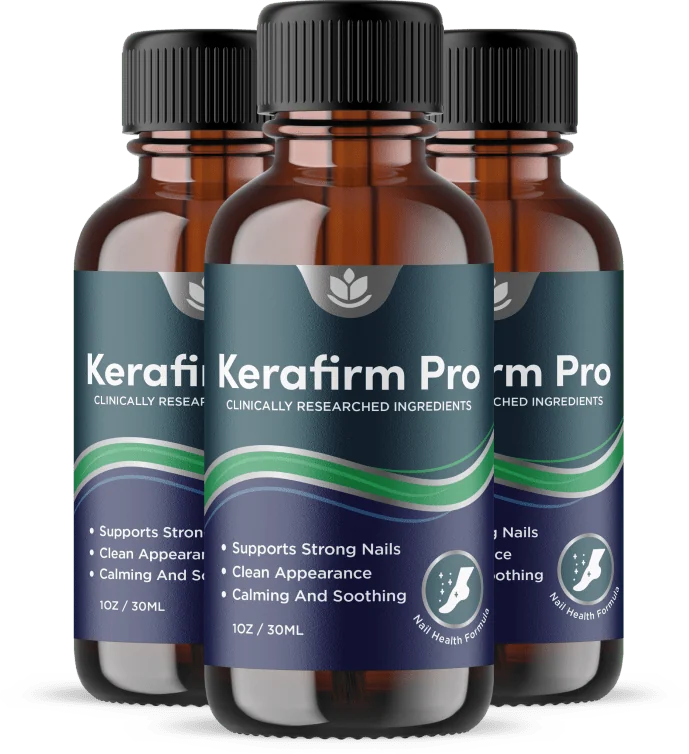
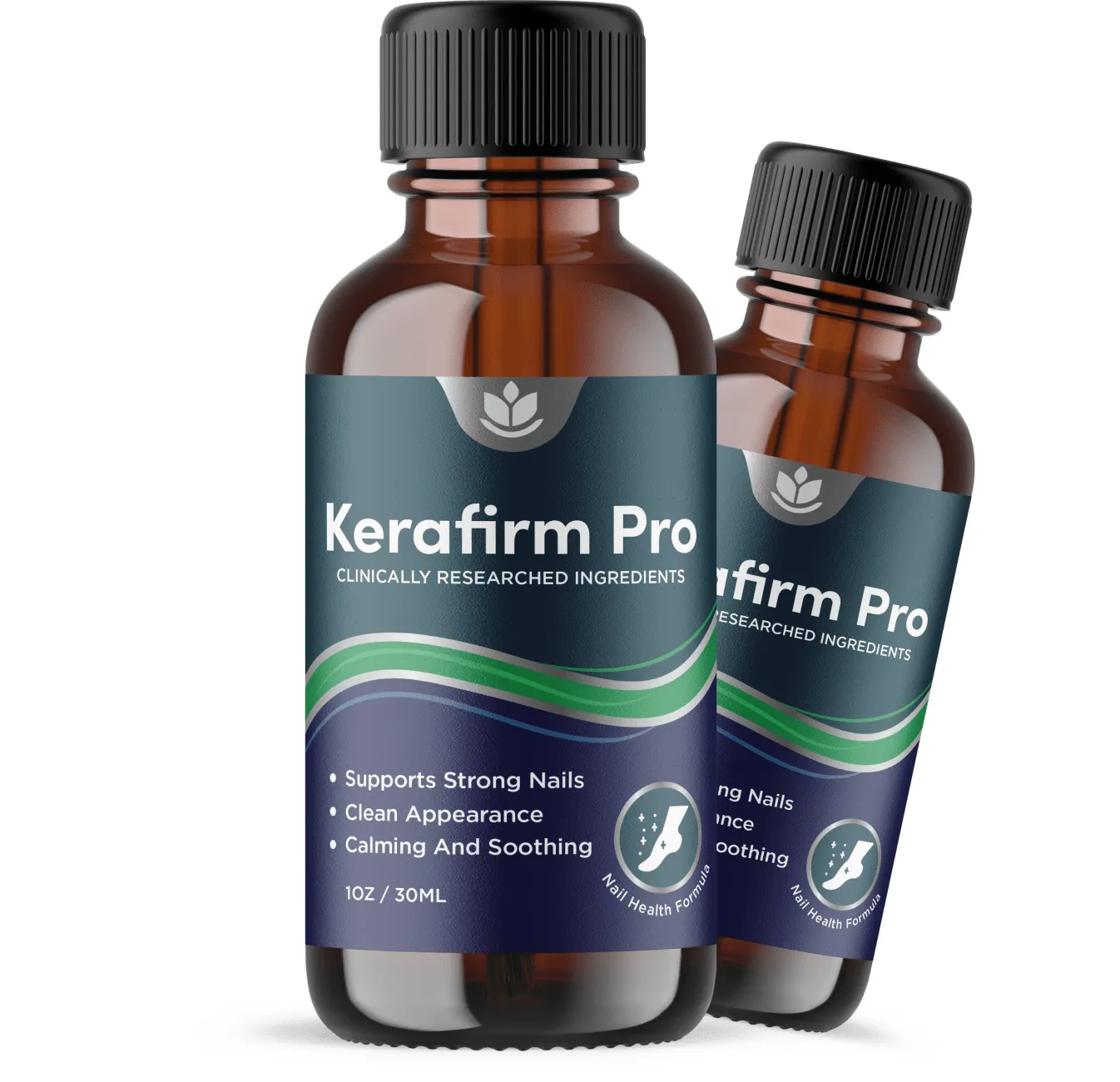
In conclusion, maintaining skin health after 40 is a multifaceted endeavor that involves understanding the changes your skin undergoes with age, incorporating key nutrients, and adopting healthy lifestyle habits. With the right knowledge and practices—like those discussed in this guide—you can support your skin's vitality and appearance. Remember, the journey to healthy skin is ongoing, and small changes can lead to significant improvements over time. Whether it's through diet, supplements like KeraFirm Pro, or a solid skincare regimen, every step counts toward achieving youthful, radiant skin.Frequently Asked Questions
What are the main changes in skin after 40?
Skin tends to lose collagen and moisture, leading to dryness, fine lines, and reduced elasticity.
How does diet affect my skin?
A diet rich in antioxidants can help combat signs of aging and support skin health.
What role does hydration play in skin health?
Proper hydration is crucial as it helps maintain skin elasticity and moisture levels.
Can supplements improve skin health?
Certain supplements like biotin and collagen may support skin vitality and appearance.
How important is sun protection?
Sunscreen is essential as UV rays are a significant cause of premature aging.
What are some natural remedies for youthful skin?
Natural ingredients like antioxidants and essential fatty acids can provide anti-aging benefits.
What lifestyle changes can help my skin?
Healthy habits like regular exercise, a balanced diet, and proper sleep can significantly improve skin health.
How do I build a skincare routine?
Focus on cleansing, moisturizing, and using products that contain beneficial ingredients for your skin type.
References & Sources
- Skin aging and the role of collagen — PubMed/NIH
- Biotin: A key nutrient for skin health — Nutritional Reviews, 2020
- The impact of UV exposure on skin aging — J Am Acad Dermatol, 2018
- Dietary antioxidants and skin health — Frontiers in Nutrition, 2022
- Hydration and skin elasticity — Dermatology, 2019
- Natural ingredients for skin vitality — J Clin Aesthet Dermatol, 2021
- Skin supplements and their effectiveness — Nutrition Journal, 2023
- Lifestyle factors affecting skin health — Aging Cell, 2020